
Testsieger.de

Gaming Monitore 144 Hz Test & Vergleich

78 Produkte in Gaming Monitore 144 Hz

Philips Evnia 24M2N3200NF, 24 Zoll Full HD Gaming Monitor, 144 Hz, 1 ms MPRT, FreeSync, G-Sync kompatibel, HDMI 2.0, DisplayPort 1.4, schwarzEnergieeffizienz D

Philips Evnia 24M2N3200NF, 24 Zoll Full HD Gaming Monitor, 144 Hz, 1 ms MPRT, FreeSync, G-Sync kompatibel, HDMI 2.0, DisplayPort 1.4, schwarz

83
HervorragendTestsieger Score
ab7790€
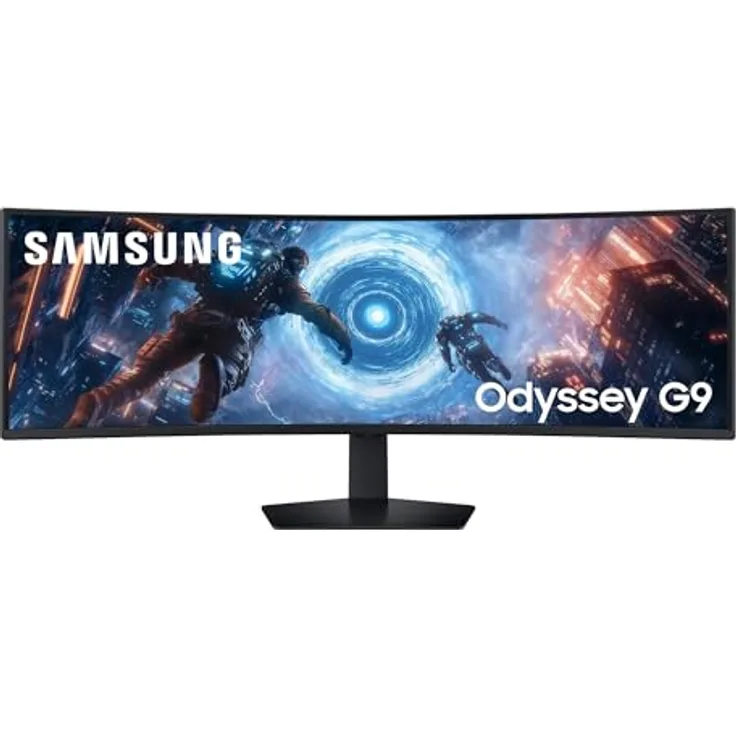
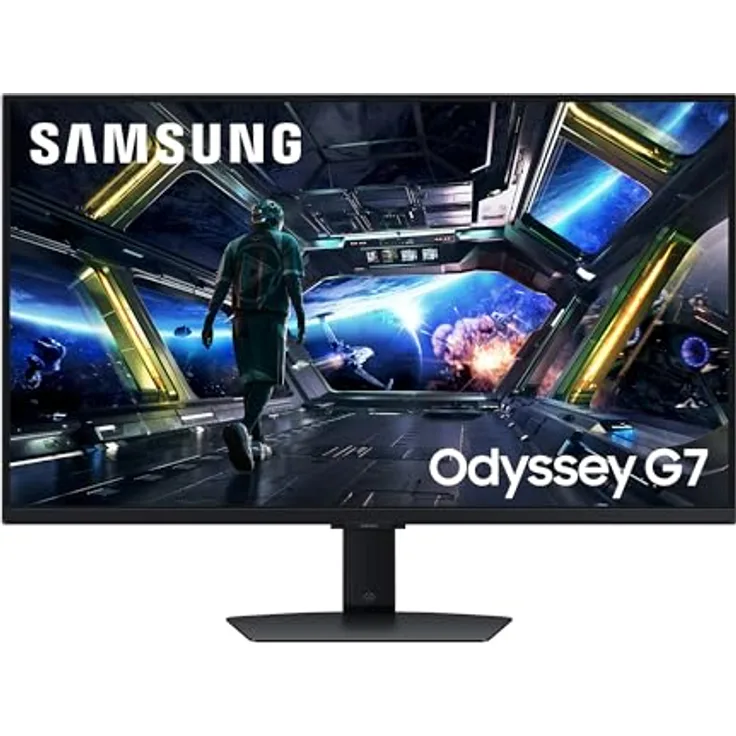
Samsung Odyssey Ark G91F, Ultrawide Curved Gaming Monitor, 49 Zoll, FreeSync Premium Pro, 5120 x 1440 Pixel, 1 ms Reaktionszeit, 144 Hz, SchwarzEnergieeffizienz G

Samsung Odyssey Ark G91F, Ultrawide Curved Gaming Monitor, 49 Zoll, FreeSync Premium Pro, 5120 x 1440 Pixel, 1 ms Reaktionszeit, 144 Hz, Schwarz

80
HervorragendTestsieger Score
ab58990€
AOC 24B36X, 24 Zoll Full HD Gaming Monitor mit 0,5 ms Reaktionszeit, 144 Hz, Adaptive Sync, HDMI 1.4, DisplayPort 1.4, schwarzEnergieeffizienz D

AOC 24B36X, 24 Zoll Full HD Gaming Monitor mit 0,5 ms Reaktionszeit, 144 Hz, Adaptive Sync, HDMI 1.4, DisplayPort 1.4, schwarz

80
HervorragendTestsieger Score
ab8190€
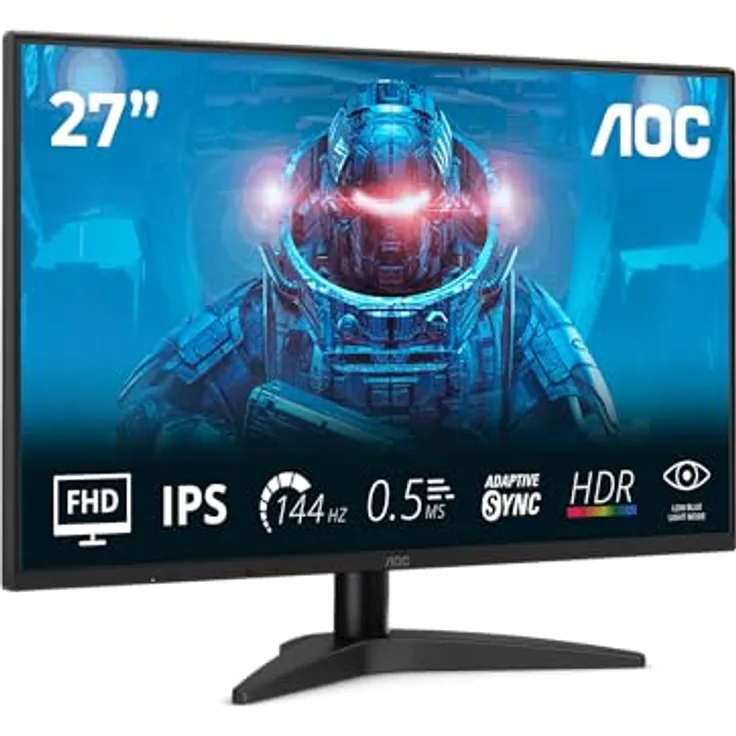
AOC 27B36X, 27 Zoll FHD Gaming-Monitor, 144 Hz, IPS, 0,5 ms MPRT, Adaptive Sync, HDR10, SchwarzEnergieeffizienz D

AOC 27B36X, 27 Zoll FHD Gaming-Monitor, 144 Hz, IPS, 0,5 ms MPRT, Adaptive Sync, HDR10, Schwarz

79
EmpfehlenswertTestsieger Score
ab9690€
ASUS ROG Strix XG49VQ 124 cm (49 Zoll) Gaming Monitor (Curved, 144Hz, Free-Sync 2 HDR, HDMI, DisplayPort, 4ms Reaktionszeit)Energieeffizienz G

ASUS ROG Strix XG49VQ 124 cm (49 Zoll) Gaming Monitor (Curved, 144Hz, Free-Sync 2 HDR, HDMI, DisplayPort, 4ms Reaktionszeit)

79
EmpfehlenswertTestsieger Score
4 Varianten
ab69229€
iiyama GB2441HSU-B1, 23.8" Full HD IPS Monitor mit 144Hz und 1x DisplayPortEnergieeffizienz C

iiyama GB2441HSU-B1, 23.8" Full HD IPS Monitor mit 144Hz und 1x DisplayPort

78
EmpfehlenswertTestsieger Score
ab10739€
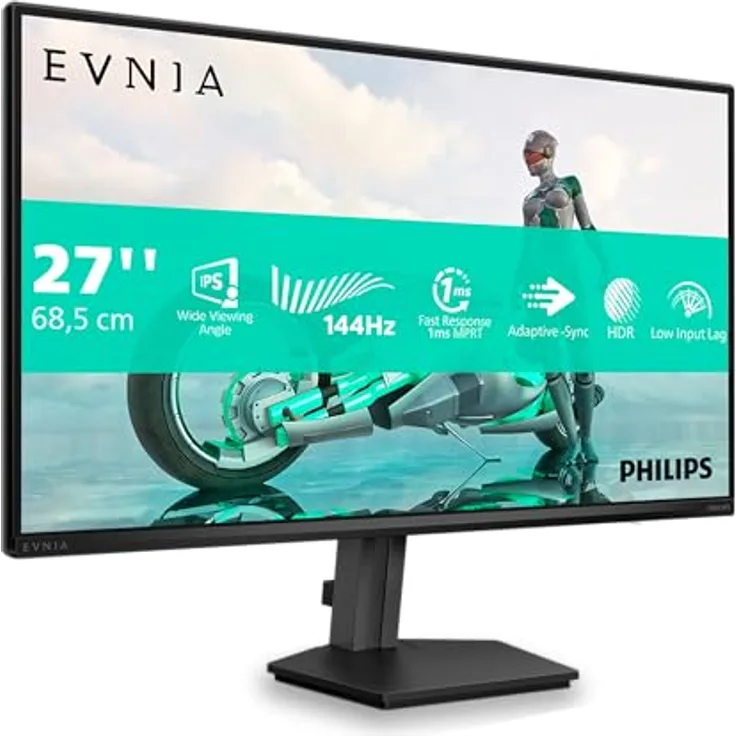
Philips 27M2N3200NF 27 Zoll FHD Monitor, 144Hz, IPS, 1ms MPRT, G-Sync Compatible, HDR10, SchwarzEnergieeffizienz E

Philips 27M2N3200NF 27 Zoll FHD Monitor, 144Hz, IPS, 1ms MPRT, G-Sync Compatible, HDR10, Schwarz

78
EmpfehlenswertTestsieger Score
ab8890€
Samsung Odyssey G70D 4K Gaming Monitor, 32 Zoll, IPS-Panel, AMD FreeSync Premium, HDR10+, LS32DG702EUXENEnergieeffizienz G

Samsung Odyssey G70D 4K Gaming Monitor, 32 Zoll, IPS-Panel, AMD FreeSync Premium, HDR10+, LS32DG702EUXEN

78
EmpfehlenswertTestsieger Score
ab41328€
LC-Power LC-M49QCO, 49 Zoll DQHD Curved OLED TFT Monitor mit 144 Hz, HDR True Black 400 und USB-CTestsiegerEnergieeffizienz F

LC-Power LC-M49QCO, 49 Zoll DQHD Curved OLED TFT Monitor mit 144 Hz, HDR True Black 400 und USB-C

78
EmpfehlenswertTestsieger Score
ab86710€
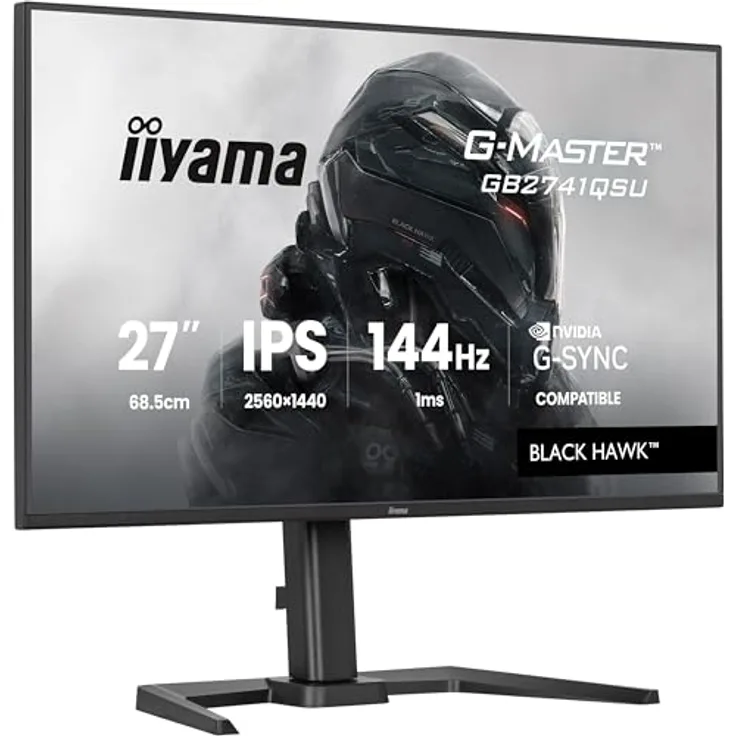
iiyama G-Master Black Hawk GB2741QSU-B1, 27" QHD Gaming Monitor mit 144Hz, 1ms, G-SYNC, Höhenverstellung, schwarzEnergieeffizienz D

iiyama G-Master Black Hawk GB2741QSU-B1, 27" QHD Gaming Monitor mit 144Hz, 1ms, G-SYNC, Höhenverstellung, schwarz

77
EmpfehlenswertTestsieger Score
ab15627€
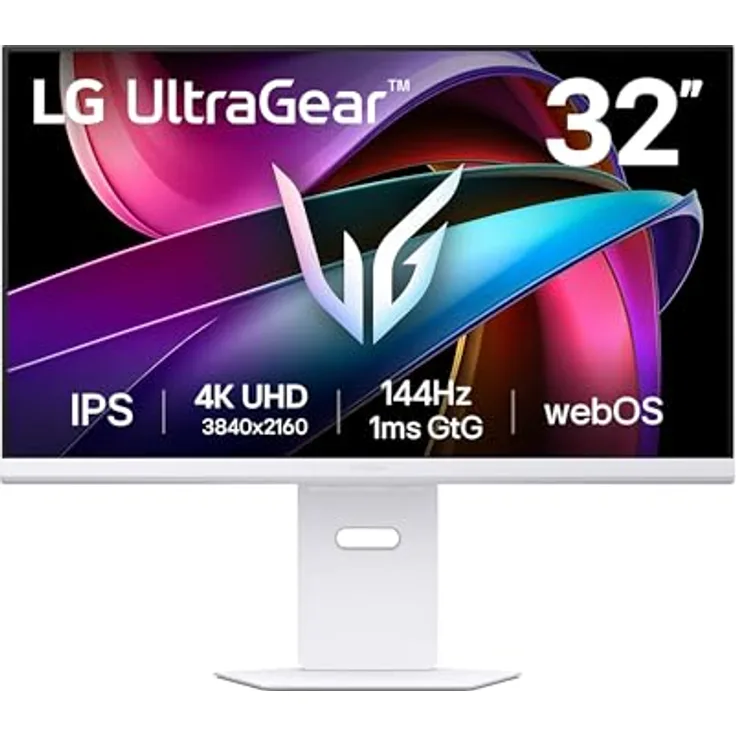
LG Ultragear 32 Zoll 4K UHD Monitor, 144Hz, 1ms, HDR10, AMD FreeSync, DisplayHDR 400, WeißEnergieeffizienz G

LG Ultragear 32 Zoll 4K UHD Monitor, 144Hz, 1ms, HDR10, AMD FreeSync, DisplayHDR 400, Weiß

77
EmpfehlenswertTestsieger Score
2 Varianten
ab54468€
LG UltraGear 27G411A-B, 27" FHD Gaming Monitor mit 144 Hz, NVIDIA® G-SYNC®-Kompatibilität und 1ms MBREnergieeffizienz E

LG UltraGear 27G411A-B, 27" FHD Gaming Monitor mit 144 Hz, NVIDIA® G-SYNC®-Kompatibilität und 1ms MBR

77
EmpfehlenswertTestsieger Score
ab9655€
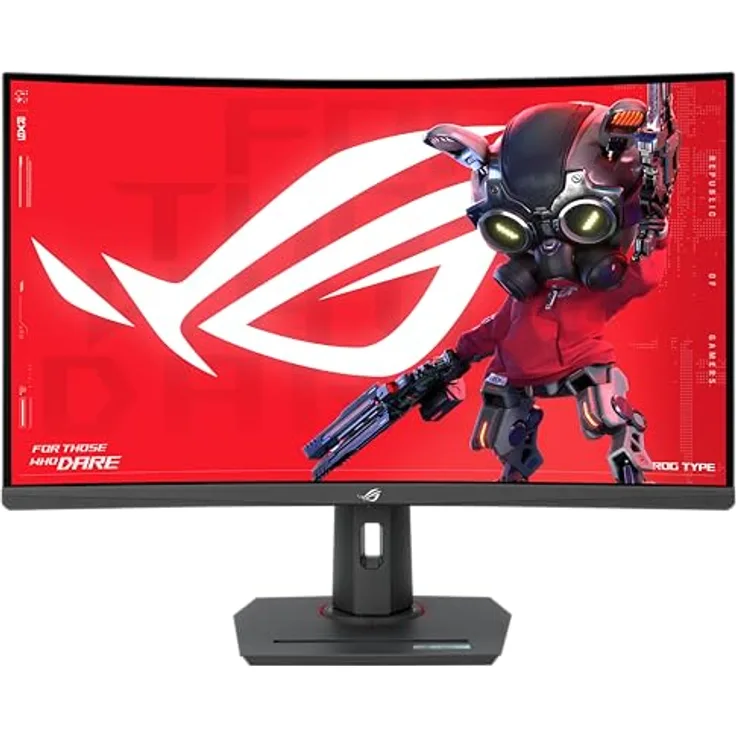
ASUS ROG Strix XG32WCS 32 Zoll Gaming Monitor 2560x1440 Curved 180Hz Fast VA Extreme Low Motion Blur Sync USB Type-C DisplayWidget Center Stativanschluss HDREnergieeffizienz F

ASUS ROG Strix XG32WCS 32 Zoll Gaming Monitor 2560x1440 Curved 180Hz Fast VA Extreme Low Motion Blur Sync USB Type-C DisplayWidget Center Stativanschluss HDR

77
EmpfehlenswertTestsieger Score
ab27533€
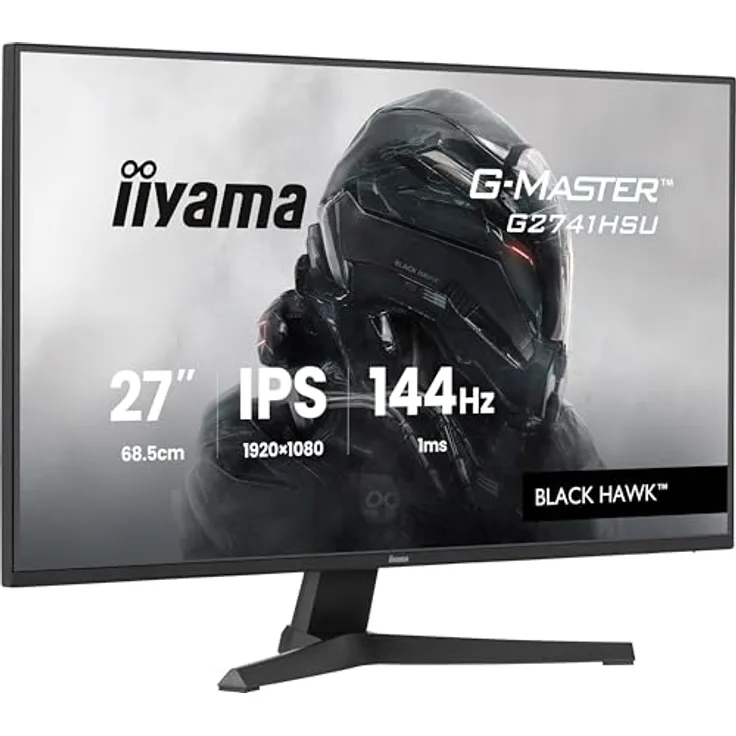
iiyama G2741HSU-B1-27, 27 Zoll Full HD IPS Monitor, 144Hz, 1x HDMI, 1x DPEnergieeffizienz C

iiyama G2741HSU-B1-27, 27 Zoll Full HD IPS Monitor, 144Hz, 1x HDMI, 1x DP

76
EmpfehlenswertTestsieger Score
ab11415€
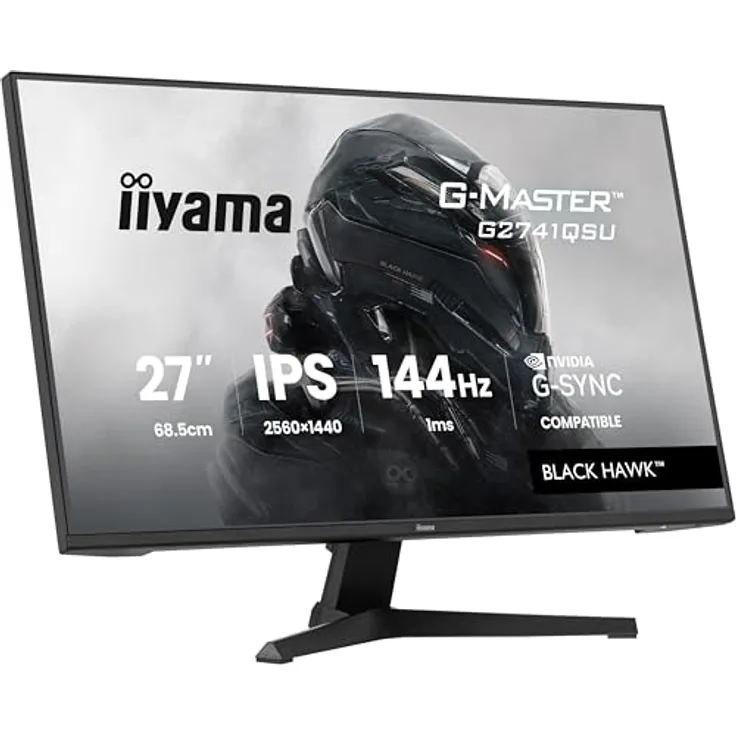
iiyama G-Master Black Hawk G2741QSU-B1, 27" IPS LED Gaming Monitor mit QHD, 144Hz, 1ms, G-SYNC, schwarzEnergieeffizienz D

iiyama G-Master Black Hawk G2741QSU-B1, 27" IPS LED Gaming Monitor mit QHD, 144Hz, 1ms, G-SYNC, schwarz

76
EmpfehlenswertTestsieger Score
ab14582€
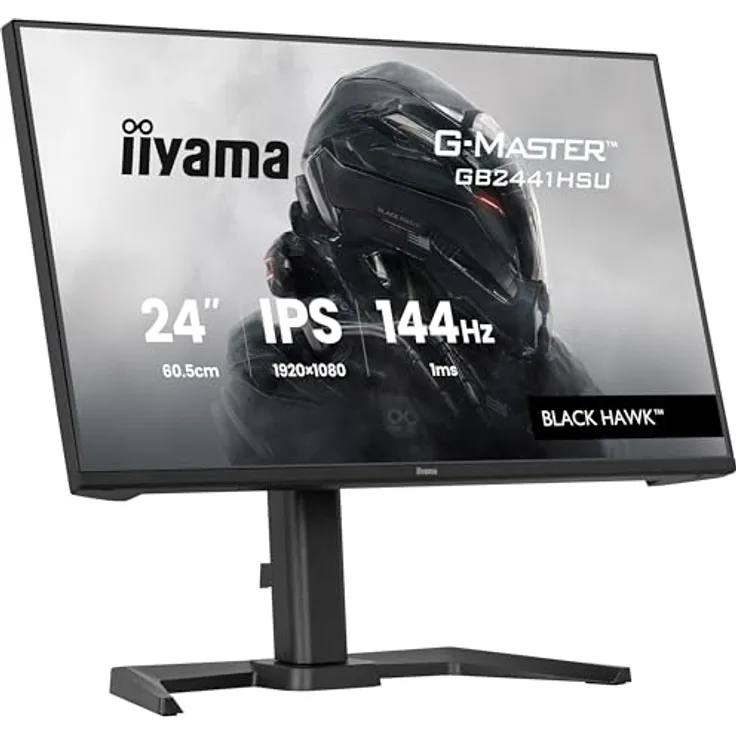
iiyama G-Master Black Hawk G2441HSU-B1, 23,8" Full-HD Gaming Monitor mit 144Hz, 1ms Reaktionszeit, FreeSync, schwarzEnergieeffizienz C

iiyama G-Master Black Hawk G2441HSU-B1, 23,8" Full-HD Gaming Monitor mit 144Hz, 1ms Reaktionszeit, FreeSync, schwarz

76
EmpfehlenswertTestsieger Score
ab9770€
Samsung Odyssey G70D 4K Gaming Monitor, 27 Zoll, IPS-Panel, AMD FreeSync Premium, HDR10+, 1 ms Reaktionszeit, 144 Hz, schwarzEnergieeffizienz F

Samsung Odyssey G70D 4K Gaming Monitor, 27 Zoll, IPS-Panel, AMD FreeSync Premium, HDR10+, 1 ms Reaktionszeit, 144 Hz, schwarz

76
EmpfehlenswertTestsieger Score
ab29900€
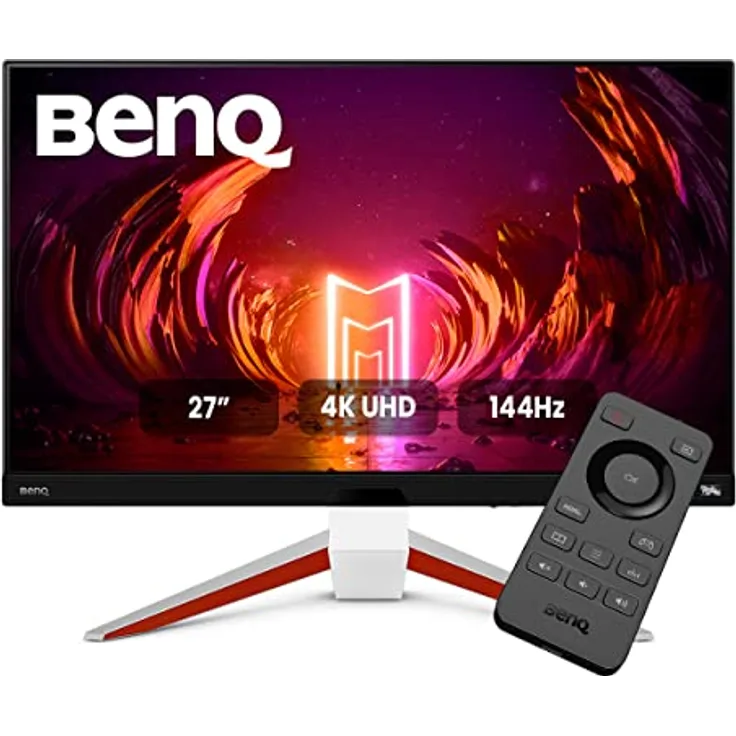
BenQ MOBIUZ EX2710U 4K Gaming Monitor (27 Zoll, IPS, 144 Hz, 1ms, HDR 600, HDMI 2.1, 48 Gbps volle Bandbreite, VRR kompatibel für PS5, Fernbedienung), WeißEnergieeffizienz G

BenQ MOBIUZ EX2710U 4K Gaming Monitor (27 Zoll, IPS, 144 Hz, 1ms, HDR 600, HDMI 2.1, 48 Gbps volle Bandbreite, VRR kompatibel für PS5, Fernbedienung), Weiß

76
EmpfehlenswertTestsieger Score
11 Varianten
ab40085€
AOC Gaming U32G3X - 32 Zoll 4K UHD Monitor, IPS, 144Hz, G-Sync kompatibel, Höhenverstellbar, HDR400 (Schwarz/Rot)Energieeffizienz F

AOC Gaming U32G3X - 32 Zoll 4K UHD Monitor, IPS, 144Hz, G-Sync kompatibel, Höhenverstellbar, HDR400 (Schwarz/Rot)

76
EmpfehlenswertTestsieger Score
46 Varianten
ab43200€
LG UltraWide 38BR85QC-W, 95,29 cm (37,5 Zoll) Curved Monitor mit WQHD+ Auflösung, 144 Hz, HDR600, IPS 1 msEnergieeffizienz F

LG UltraWide 38BR85QC-W, 95,29 cm (37,5 Zoll) Curved Monitor mit WQHD+ Auflösung, 144 Hz, HDR600, IPS 1 ms

75
EmpfehlenswertTestsieger Score
ab1.13114€
AOC AGON AG405UXC - 40 Zoll WQHD Gaming Monitor, 144 Hz, 1 ms GtG, HDR400, FreeSync Prem., G-Sync comp., (3440x1440, HDMI, DisplayPort, USB-C (90W PD), USB Hub) schwarz/rotEnergieeffizienz G

AOC AGON AG405UXC - 40 Zoll WQHD Gaming Monitor, 144 Hz, 1 ms GtG, HDR400, FreeSync Prem., G-Sync comp., (3440x1440, HDMI, DisplayPort, USB-C (90W PD), USB Hub) schwarz/rot

74
EmpfehlenswertTestsieger Score
27 Varianten
25% Rabatt
ab59900€804,92 €
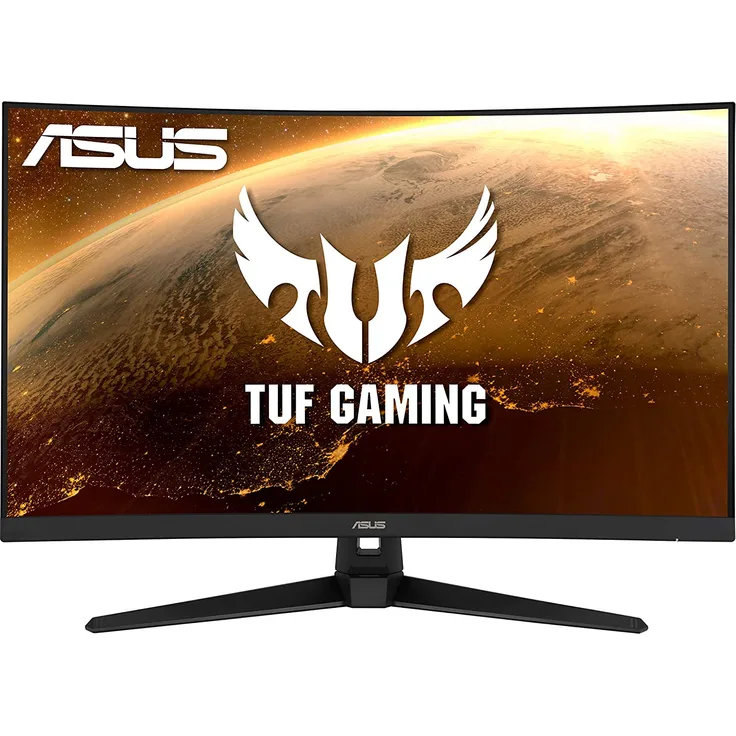
ASUS TUF Gaming VG328H1B - gebogen - 79.8 cm (31.4'') - 1920 x 1080 Full HD (1080p) - VA - 250 cd/m² - 3000:1 - HDMI, VGA - LautsprecherEnergieeffizienz G

ASUS TUF Gaming VG328H1B - gebogen - 79.8 cm (31.4'') - 1920 x 1080 Full HD (1080p) - VA - 250 cd/m² - 3000:1 - HDMI, VGA - Lautsprecher

74
EmpfehlenswertTestsieger Score
14 Varianten
ab19709€
LG UltraGear 24G411A-B, 24" FHD Gaming Monitor mit 144 Hz, NVIDIA® G-SYNC®-Kompatibilität und 1ms MBREnergieeffizienz D

LG UltraGear 24G411A-B, 24" FHD Gaming Monitor mit 144 Hz, NVIDIA® G-SYNC®-Kompatibilität und 1ms MBR

74
EmpfehlenswertTestsieger Score
ab7796€
ASUS VY249HGE Gaming Monitor - 24 Zoll Full HD, 144 Hz, 1ms MPRT, FreeSync Premium, GameFast Input, IPS Panel, Vesa 100x100, HDMI, SchwarzEnergieeffizienz D

ASUS VY249HGE Gaming Monitor - 24 Zoll Full HD, 144 Hz, 1ms MPRT, FreeSync Premium, GameFast Input, IPS Panel, Vesa 100x100, HDMI, Schwarz

74
EmpfehlenswertTestsieger Score
ab12900€

Frag die KI

Gaming Monitore 144 Hz im Vergleich

Erfahre, worauf du beim Kauf eines 144-Hz-Monitors achten musst, damit dein Gameplay flüssig bleibt und welches Panel am besten zu deinen Spielen passt.

Zuletzt aktualisiert: 17.04.2026

Die besten Gaming-Monitore mit 144 Hz im Überblick

Der Umstieg von einem herkömmlichen 60-Hertz-Monitor auf ein Modell mit 144 Hertz gehört zu den spürbarsten Upgrades für dein Setup. Die Bewegungen wirken deutlich natürlicher und die Verzögerung zwischen deiner Eingabe sowie der Reaktion auf dem Bildschirm sinkt messbar. In diesem Segment findest du heute eine breite Auswahl, die vom preiswerten Einstiegsmodell bis hin zum High-End-Display reicht.
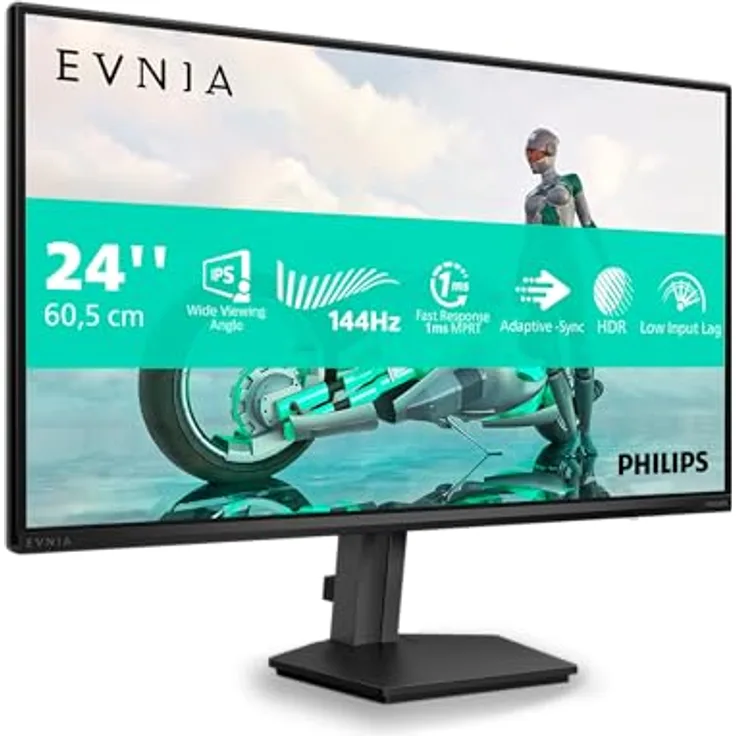
Philips Evnia 24M2N3200NF, 24 Zoll Full HD Gaming Monitor, 144 Hz, 1 ms MPRT, FreeSync, G-Sync kompatibel, HDMI 2.0, DisplayPort 1.4, schwarz

Philips Evnia 24M2N3200NF24 Zoll Full HD Gaming Monitor, 144 Hz, 1 ms MPRT, FreeSync, G-Sync kompatibel, HDMI 2.0, DisplayPort 1.4, schwarz

ab7790€
Preise vergleichen

Worauf beim Kauf achten?

Die passende Auflösung für deine Hardware

Die Wahl der Auflösung hängt stark von der Leistung deiner Grafikkarte ab. Ein Monitor mit 144 Hertz bringt dir nur dann einen echten Vorteil, wenn dein PC auch annähernd 144 Bilder pro Sekunde (FPS) berechnen kann.

  • Full HD (1080p): Diese Auflösung ist ideal, wenn du vor allem kompetitive Shooter spielst und maximale Performance suchst. Sie schont die Ressourcen deiner Hardware und ermöglicht hohe Bildraten auch mit Mittelklasse-Systemen.
  • WQHD (1440p): Für viele gilt dies als der goldene Standard auf 27 Zoll. Die Bildschärfe ist deutlich höher als bei Full HD, erfordert aber bereits eine potentere Grafikkarte, um die 144 Hertz voll auszureizen.
  • 4K (2160p): Hier erhältst du die maximale Detailtiefe. Beachte jedoch, dass du für stabiles Gaming in 4K mit 144 Hertz ein absolutes High-End-System sowie einen Monitor mit HDMI 2.1 oder DisplayPort 1.4 benötigst.

Hinweis

Die Bildwiederholrate allein garantiert kein scharfes Bild. Wenn deine Hardware nur 60 FPS liefert, kann auch ein 144-Hz-Monitor keine flüssigeren Bewegungen herbeizaubern. Das Zusammenspiel von GPU-Leistung und Monitor-Frequenz ist entscheidend.

Panel-Technologie und Bildqualität

Das verbaute Panel entscheidet über Kontrast, Farbtreue und die Geschwindigkeit der Pixel. Während früher TN-Panels aufgrund ihrer Schnelligkeit dominierten, haben moderne IPS-Panels diese fast vollständig verdrängt.

KriteriumIPS-PanelVA-Panel
FarbdarstellungExzellent und blickwinkelstabilGut mit tiefem Schwarz
KontrastverhältnisDurchschnittlich (ca. 1000:1)Sehr hoch (ca. 3000:1)
ReaktionszeitSehr schnellMittel (neigt zu Schlieren)

Adaptive Synchronisation gegen Tearing

Damit es nicht zu unschönen Bildzerreißeffekten kommt, solltest du auf eine Synchronisationstechnologie achten. Nvidia G-Sync und AMD FreeSync passen die Bildwiederholrate des Monitors dynamisch an die gelieferten Bilder deiner Grafikkarte an.

Tipp

Nutze nach Möglichkeit immer ein DisplayPort-Kabel für den Anschluss an deinen PC. Viele Monitore schalten die vollen 144 Hertz oder Adaptive Sync über ältere HDMI-Standards nicht frei.

Ergonomie und Anschlüsse

Ein guter Gaming-Monitor sollte sich an deine Sitzposition anpassen lassen. Achte auf eine Höhenverstellbarkeit sowie eine Neigefunktion, um Nackenschmerzen bei langen Sessions vorzubeugen. Bei den Anschlüssen ist HDMI 2.1 besonders wichtig, falls du neben dem PC auch eine aktuelle Konsole wie die PlayStation 5 oder Xbox Series X anschließen möchtest (diese unterstützen dort 120 Hertz).

Achtung

Lasse dich nicht von Marketing-Angaben wie "1 ms Reaktionszeit" blenden. Oft beziehen sich diese Werte auf den MPRT-Standard, der durch Techniken wie Backlight Strobing erreicht wird und das Bild dunkler machen kann. Die wichtigere Angabe ist der GtG-Wert (Grey-to-Grey).

Für wen eignet sich was?

Wenn du hauptsächlich schnelle E-Sport-Titel wie Counter-Strike oder Valorant spielst, ist ein 24-Zoll-Monitor mit Full HD und IPS-Panel oft die wirtschaftlichste sowie effektivste Wahl. Für atmosphärische Open-World-Spiele und Rollenspiele lohnt sich hingegen der Aufpreis für ein 27-Zoll-Modell mit WQHD-Auflösung, da die höhere Pixeldichte die Spielwelt deutlich lebendiger wirken lässt.

Häufige Fragen

Ja, du solltest mindestens ein DisplayPort 1.2 Kabel oder ein HDMI 2.0 Kabel verwenden. Für höhere Auflösungen wie WQHD oder 4K bei 144 Hertz sind DisplayPort 1.4 oder HDMI 2.1 zwingend erforderlich, damit die Bandbreite ausreicht.

Der Unterschied ist massiv. Die Mausbewegung auf dem Desktop wirkt sofort geschmeidiger und in Spielen werden Bewegungsunschärfen drastisch reduziert. Wer einmal auf 144 Hertz gespielt hat, empfindet 60 Hertz oft als ruckelig.

In den meisten Fällen ja. Nvidia unterstützt seit einiger Zeit den Standard "G-Sync Compatible", wodurch du die Synchronisation auch auf vielen FreeSync-Monitoren mit einer GeForce-Grafikkarte nutzen kannst.

Ghosting tritt auf, wenn die Pixel nicht schnell genug ihre Farbe ändern können. Dann zieht ein bewegtes Objekt einen leicht transparenten Schatten hinter sich her. Dies tritt besonders häufig bei günstigen VA-Panels in dunklen Spielszenen auf.

Beliebte Gaming Monitore 144 Hz im Vergleich
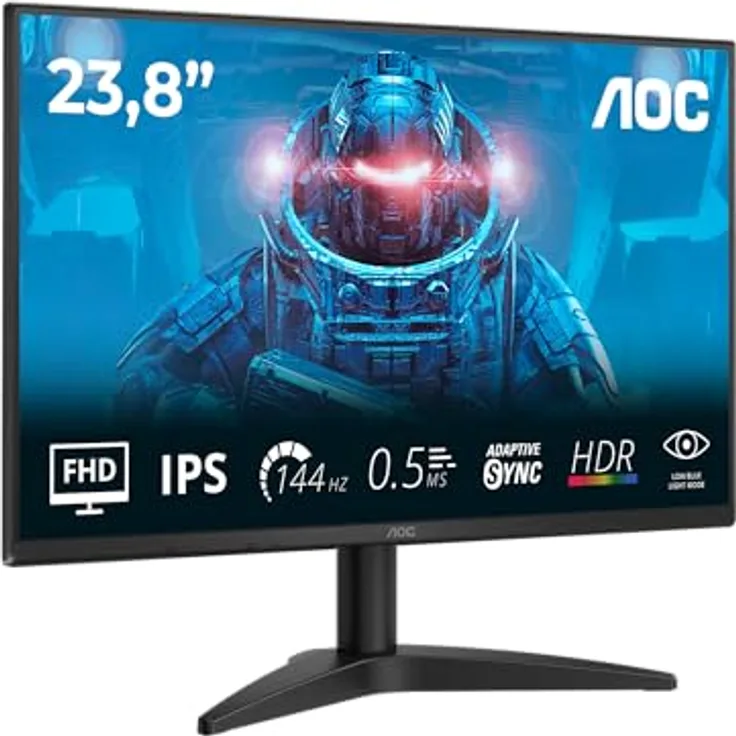
AOC 24B36X, 24 Zoll Full HD Gaming Monitor mit 0,5 ms Reaktionszeit, 144 Hz, Adaptive Sync, HDMI 1.4, DisplayPort 1.4, schwarz

AOC 24B36X24 Zoll Full HD Gaming Monitor mit 0,5 ms Reaktionszeit, 144 Hz, Adaptive Sync, HDMI 1.4, DisplayPort 1.4, schwarz

ab8190€
Preise vergleichen
LC-Power LC-M49QCO, 49 Zoll DQHD Curved OLED TFT Monitor mit 144 Hz, HDR True Black 400 und USB-C

LC-Power LC-M49QCO49 Zoll DQHD Curved OLED TFT Monitor mit 144 Hz, HDR True Black 400 und USB-C

ab86710€
Preise vergleichen
ASUS ROG Strix XG49VQ 124 cm (49 Zoll) Gaming Monitor (Curved, 144Hz, Free-Sync 2 HDR, HDMI, DisplayPort, 4ms Reaktionszeit)

ASUS ROG Strix XG49VQ124 cm (49 Zoll) Gaming Monitor (Curved, 144Hz, Free-Sync 2 HDR, HDMI, DisplayPort, 4ms Reaktionszeit)

ab69229€712,40 €
Preise vergleichen