Gaming-Monitore im aktuellen Vergleich 03/2026
Hier findest du die besten Gaming-Monitore: Unser innovativer Testsieger Score vereint Expertenbewertungen, Kundenfeedback und Nutzerbeliebtheit für den perfekten Vergleich!
Watson beta
Vergleich für Gaming-Monitore
|
🏆
Testsieger
|
|
|
|
|
|
|

|
|
|

|
|

|

|
|
|
|
|

|

|
|
|---|---|---|---|---|---|---|---|---|---|---|---|---|---|---|---|---|---|---|---|---|
ASUS ROG Swift PG27UCDM 67 3cm (26,5") 4K OLED Gaming Monitor 16:9 HDMI/DP/USB-C PD90W 240Hz 0,03ms
ab
899,00 €
87
Testsieger Score
|
AOC Agon Pro 326UD - 32 Zoll UHD OLED Gaming Monitor 165 Hz, HDR400, FreeSync Prem. Pro, G-Sync comp. schwarz grau
ab
599,00 €
87
Testsieger Score
|
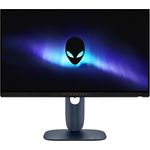
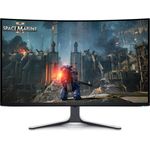
Dell Alienware 25 Gaming Monitor AW2525HM Full HD 1920x1080, 320Hz, 0.5ms, NVIDIA G-SYNC, AMD FreeSync Premium, 3 Jahre Garantie
ab
209,43 €
86
Testsieger Score
|
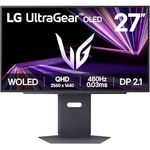
LG 27GX790A-B Gaming-Monitor mit 480 Hz Bildwiederholfrequenz und G-SYNC-Kompatibilität
ab
741,81 €
86
Testsieger Score
|
32" Dell Alienware AW3225QF - 3840x2160 (4K/UHD) - 240Hz - QD-OLED - USB 3.2 HUB - Curved
ab
839,95 €
84
Testsieger Score
|
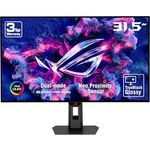
ASUS ROG Strix XG27UCDMG 27 Zoll Gaming Monitor 4K QD-OLED, 240Hz, G-Sync, VESA Display HDR 400 True Black, OLED Care Pro
ab
769,00 €
84
Testsieger Score
|
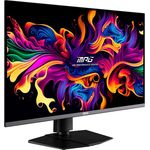
MSI MPG 322URXDE QD-OLED 32 Zoll 4K Gaming Monitor mit Quantum Dot Technologie
ab
879,00 €
84
Testsieger Score
|
AOC Gaming CQ32G4VE - 32 Zoll QHD Curved Monitor 180 Hertz, 0.5 ms, HDR10, FreeSync Premium (schwarz/grau)
ab
179,90 €
84
Testsieger Score
|
Philips 24E1N1100 24-Zoll-Full-HD-Monitor mit 120 Hz, Adaptive Sync, 1 ms Reaktionszeit, HDMI 1.4, schwarz
ab
64,47 €
83
Testsieger Score
|
Philips 27E2N1100L - 27 Zoll Full HD Monitor Adaptive Bildsynchronisation, schwarz
ab
85,90 €
83
Testsieger Score
|
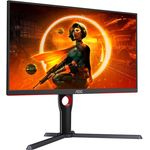
AOC Gaming C27G42E 27 Zoll Full HD Curved Monitor mit 180 Hz, 1 ms Reaktionszeit, FreeSync Premium, schwarz-rot
ab
104,98 €
83
Testsieger Score
|
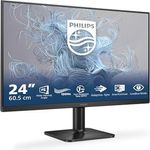
Philips 24E2N1100LB - 24 Zoll Full HD Monitor Adaptive Bildsynchronisation, 100 Hz, schwarz
ab
69,90 €
83
Testsieger Score
| |||||||||
| Kundenbewertungen |


|
|
|
|
|
|
|
|

|
|
|
|
|
|
|
|
|
|
|
|
| Bildschirmgröße | 32 Zoll | 26,5 Zoll | 26,5 Zoll | 31,5 Zoll | 24,5 Zoll | 27 Zoll | 27 Zoll | 23.8 Zoll | 31,5 Zoll | 80.32 cm (32") | 26,5 Zoll | 32 Zoll | 31,5 Zoll | 86.4 cm (34") | 24 Zoll | 32 Zoll | 27 Zoll | 27 Zoll | 24 Zoll / 61 cm | 31,5 Zoll |
| HD-Typ | 4K UHD | WQHD (2560 x 1440) | 4K Ultra HD | UHD OLED | Full HD | WQHD | QHD | Full HD (1080p) | 4K-UHD | OLED-Monitor / Quantum Dot OLED | 4K Ultra HD | UHD 3840 x 2160 (4K) | QHD (2560 x 1440 Pixel) | HDR10, DisplayHDR 400 True Black | Full HD | 4K Ultra HD | Full HD | Full HD | Full HD | 4K |
| Auflösung | 4K | 2.560 x 1.440 Pixel | 3.840 x 2.160 Pixel | 3.840 x 2.160 Pixel | 1.920 x 1.080 Pixel | 2.560 x 1.440 Pixel | 2560 x 1440 Pixel | 1920 x 1080 (Full HD) | 3840 x 2160 | 3840x2160 (4K/UHD) | 3840 x 2160 Pixel | 4K | 2.560 x 1.440 Pixel | 3440x1440 (UWQHD) | Full HD | 3840 x 2160 Pixel | 1920 x 1080 px | Full HD | 1920 x 1080 Full HD | 3.840 x 2.160 Pixel |
| Bildwiederholfrequenz | 240 Hz | 240 Hz | 240 Hz | 165 Hz | 320 Hz | 180 Hz | 480 Hz | 120 Hz (OC) | 480 Hz | 240Hz | 240 Hz | 240 Hz | 180 Hz | 240Hz | 120 Hz | 240 Hz (4K), 480 Hz (FHD) | 100 Hz | 180 Hz | 100 Hz | 144 Hz |
| Reaktionszeit | 0,03 ms | 0,03 ms | 0,03 ms | 0,03 ms | 0,5 ms | 5 ms | 0,03 ms | 1 ms (MPRT) | 0,03 ms | 0.03ms (GTG) | 0,03 ms | 0,03 ms (Gray-to-Gray) | 1 ms | 0.03ms (GtG) | 1 ms (MPRT) | 0,03 ms (GTG) | 1 ms | 1 ms | 1 ms | 1 ms |
| Panel-Technologie | OLED | OLED | OLED | OLED | IPS | IPS | OLED-Technologie | IPS | OLED | QD-OLED | OLED | OLED-Monitor / Quantum Dot OLED | VA | OLED | IPS | TrueBlack Glossy OLED, WOLED | VA | VA | VA-Panel | IPS |
| GPU-Synchronisation | AMD FreeSync Premium Pro | G-SYNC-kompatibel | Adaptive Sync, FreeSync, G-Sync Compatible | Adaptive Sync | FreeSync, G-Sync Compatible, Adaptive Sync | FreeSync, Adaptive Sync | NVIDIA G-SYNC, AMD FreeSync | Adaptive Sync | G-Sync Compatible, FreeSync, Adaptive Sync | VESA Adaptive-Sync, NVIDIA G-SYNC Compatible | NVIDIA G-SYNC, AMD FreeSync, VESA Adaptive Sync | VESA Adaptive-Sync, NVIDIA G-SYNC Compatible | Adaptive Sync | Adaptive Sync, AMD FreeSync Premium, NVIDIA G-Sync Compatible | Adaptive Sync | NVIDIA G-SYNC Compatible, AMD FreeSync Premium Pro | Adaptive Synchronisation | FreeSync Premium | VESA Adaptive-Sync | FreeSync |
| Bildschirmform | flach | Flat | Flach | rechteckig | Flach | 16:9 | flach | 16:9 | flach | Curved | flach | Schwenkbar, Höhenverstellbar, Pivot (Rotation), Neigung | Curved | gebogen (curved, 800R) | flach | Flach | Flach | Curved | 16:9 | flach |
| Anschlusstechnik | 2x HDMI, DisplayPort, USB 3.0 | Displayport, HDMI, USB 3.0 | USB-C | DisplayPort, HDMI | 1 x USB 3.0 (Upstream) | 1x DP, 2x HDMI | 2x HDMI 2.1, DisplayPort 2.1, 2x USB 3.0 Downstream Typ A, 1x USB 3.0 Upstream Typ C, 3,5 mm Kopfhörer-Anschluss | HDMI, VGA | 1 x USB 3.0 (Upstream) | HDMI, DisplayPort 1.4, USB-C 3.2 Gen 1 | DisplayPort 1.4, HDMI 2.1, USB-C (DP Alt Mode, 90W PD) | DisplayPort, HDMI, USB-C (DisplayPort Alt Mode, Spannungsversorgung bis 98 W) | 2x HDMI 2.0, 1x DisplayPort 1.4 | VESA DisplayHDR True Black 400 | HDMI 1.4 | DisplayPort 1.4 (DSC), HDMI 2.1, USB-C mit 15 W Power Delivery, 3x USB-A 3.2 Gen 1, USB-B 3.2 Gen 1 | 1 x HDMI 1.4, VGA | VESA Adaptive-Sync | 1x HDMI 1.4 / 1x VGA | 1 x USB 3.0 (Upstream) |
| Zum Produkt | Zum Produkt | Zum Produkt | Zum Produkt | Zum Produkt | Zum Produkt | Zum Produkt | Zum Produkt | Zum Produkt | Zum Produkt | Zum Produkt | Zum Produkt | Zum Produkt | Zum Produkt | Zum Produkt | Zum Produkt | Zum Produkt | Zum Produkt | Zum Produkt | Zum Produkt | Zum Produkt |
Kaufberatung für Gaming-Monitore
Inhaltsverzeichnis
- Das Wichtigste in Kürze
- Was ist ein Gaming-Monitor und wie unterscheidet er sich von einem herkömmlichen Monitor?
- Welche Arten von Gaming-Monitoren gibt es?
- Was sind die Vor- und Nachteile von Gaming-Monitoren?
- Was muss ich beim Kauf von Gaming-Monitoren beachten?
- Die Gaming-Monitor Testsieger
- Welche sind die bekanntesten Hersteller von Gaming-Monitoren?
Letztes Update: 27.02.2026 – Wir haben die Produktempfehlungen aktualisiert (neu: ASUS ROG Strix OLED XG27AQDMG, LG 27GX790A-B).
Das Wichtigste in Kürze
-
Gaming-Monitore optimieren die Darstellung und Performance von Videospielen durch höhere Bildwiederholraten, schnellere Reaktionszeiten und adaptive Synchronisationstechnologien wie G-Sync und FreeSync.
-
Arten von Gaming-Monitoren: Verschiedene Auflösungen (1080p, 1440p, 4K), Modelle mit sehr hohen Bildwiederholraten (bis zu 480 Hz), ultrabreite oder gekrümmte Bildschirme sowie unterschiedliche Panel-Technologien (IPS, TN, VA, OLED).
-
Vorteile: Bessere Bildqualität, flüssigere Bewegungen, reduziertes Tearing und Ghosting, insgesamt verbessert sich das Spielerlebnis deutlich. Nachteile: Höhere Kosten, erhöhter Stromverbrauch und gelegentlich geringere Farbgenauigkeit im Vergleich zu professionellen Grafikmonitoren.
-
Kaufkriterien: Größe und Auflösung, Bildwiederholrate, Reaktionszeit, Panel-Typ, Anschlüsse, G-Sync/FreeSync, Design und Ergonomie.
-
Bekannte Hersteller: ASUS, Acer, AOC, Dell, LG, Samsung, MSI; die Angebote decken eine breite Palette an Spezifikationen und Preisklassen ab.
Was ist ein Gaming-Monitor und wie unterscheidet er sich von einem herkömmlichen Monitor?
Ein Gaming-Monitor ist speziell auf die Anforderungen von Videospielen ausgelegt. Er bietet höhere Bildwiederholraten (oft 120 Hz und mehr), sehr schnelle Reaktionszeiten und adaptive Synchronisationstechnologien wie NVIDIA G-Sync oder AMD FreeSync, um Bildschirmflackern, Tearing und Ruckeln zu minimieren. So entsteht ein flüssigeres und reaktionsschnelleres Gaming-Erlebnis mit weniger Bewegungsunschärfe.
Welche Arten von Gaming-Monitoren gibt es?
1080p-Monitore (Full HD): Standardauflösung mit 1920 x 1080 Pixeln, ideal für Einsteiger und Systeme mit älterer Hardware. Oft verfügbar mit hohen Bildwiederholraten bis zu 240 Hz und mehr.
1440p-Monitore (QHD): Mit 2560 x 1440 Pixeln bieten sie eine deutlich schärfere Darstellung als 1080p und sind bei moderater Hardwareanforderung sehr beliebt.
4K-Monitore (UHD): Mit 3840 x 2160 Pixeln liefern sie höchste Bildschärfe und Detailtreue, ideal für anspruchsvolle Gamer mit leistungsstarker Grafikkarte und für immersive Singleplayer-Erlebnisse.
Monitore mit sehr hohen Bildwiederholraten: Modelle mit 144 Hz, 180 Hz, 240 Hz, bis hin zu 320 Hz und sogar 480 Hz unterstützen extrem flüssiges Gameplay, vor allem bei schnellen und kompetitiven Spielen.
Ultrawide- und gekrümmte Monitore: Ultrawide-Displays (Seitenverhältnis 21:9 oder größer) sowie gekrümmte Monitore schaffen ein intensiveres Sichtfeld und ermöglichen einen besseren Überblick im Spiel.
Panel-Technologien:
- IPS (In-Plane Switching): Hohe Farbtreue und breite Blickwinkel, ideal für farbintensive Spiele und professionelle Bilddarstellung.
- TN (Twisted Nematic): Sehr schnelle Reaktionszeiten, perfekt für eSports, allerdings mit eingeschränkten Blickwinkeln und Farbwiedergabe.
- VA (Vertical Alignment): Bietet gutes Kontrastverhältnis und vernünftige Farbdarstellung, Reaktionszeiten liegen zwischen IPS und TN.
- OLED: Herausragender Kontrast, minimalste Reaktionszeit (bis zu 0,03 ms), beste Schwarzwerte und sehr hohe Farbqualität; allerdings meist im höheren Preissegment angesiedelt.
Was sind die Vor- und Nachteile von Gaming-Monitoren?
Vorteile: Hervorragende Bildqualität, flüssige Bewegungsdarstellung durch hohe Bildwiederholraten, reduzierte Bildfehler wie Tearing und Ghosting sowie ein insgesamt verbessertes Spielerlebnis.
Nachteile: Höhere Anschaffungskosten, tendenziell höherer Stromverbrauch und manchmal geringere Farbgenauigkeit im Vergleich zu professionellen Grafikmonitoren.
Was muss ich beim Kauf von Gaming-Monitoren beachten?
Größe und Auflösung: Wähle ein Modell, das zu deinen Vorlieben und der Leistung deines PCs passt. 24 bis 27 Zoll mit 1080p oder 1440p sind für viele Gamer ideal. Für starke Systeme und sehr detailverliebte Nutzer sind 4K-Monitore empfehlenswert. Achte zudem auf den Sitzabstand, um die beste Bildqualität zu erzielen.
Bildwiederholrate: Je höher die Frequenz, desto flüssiger das Bild. 60 Hz ist das Minimum, 144 Hz oder mehr sind heute in der Gaming-Welt Standard; für Profis gibt es Modelle mit bis zu 480 Hz.
Reaktionszeit: Geringe Werte reduzieren Bewegungsunschärfe und Ghosting. Werte von 5 ms oder darunter sind gut; 1 ms oder bis zu 0,03 ms sind ideal für schnelle Spiele und eSports.
Panel-Typ: IPS-Panels bieten sehr gute Farben und Blickwinkel, TN-Panels punkten mit ultraschnellen Reaktionszeiten, VA-Panels sind ein Kompromiss. OLED-Panels setzen Maßstäbe bei Bildqualität und Geschwindigkeit, kosten aber entsprechend mehr.
Anschlüsse: HDMI und DisplayPort sind Standard, wobei DisplayPort für hohe Auflösungen und Bildwiederholraten oft die bessere Wahl ist. USB-Hubs können nützlich sein, um Peripheriegeräte anzuschließen.
G-Sync und FreeSync: Synchronisieren Monitor und Grafikkarte und minimieren so Bildstörungen. G-Sync ist NVIDIA-exklusiv, FreeSync wird von AMD unterstützt. Einige Monitore sind mit beiden kompatibel.
Design und Ergonomie: Achte auf Höhenverstellbarkeit, Neig- und Schwenkfunktionen. RGB-Beleuchtung ist ein optisches Extra, das das Gaming-Setup abrundet.
Die Gaming-Monitor Testsieger
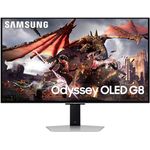
Samsung Odyssey G80SD OLED Gaming Monitor – Testsieger
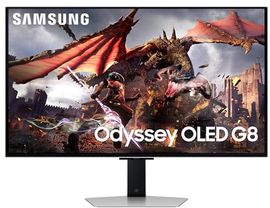
Die Kombination aus 240 Hz Bildwiederholrate und extrem kurzer Reaktionszeit von 0,03 ms garantiert ein außerordentlich flüssiges und scharfes Gameplay in 4K mit HDR. Unterstützt AMD FreeSync Premium Pro für ruckelfreies Gaming.
Vorteile
- • Hervorragende Bildqualität dank OLED und 4K-Auflösung
- • Sehr schnelle Reaktionszeit und hohe Bildwiederholrate für flüssiges Gameplay
Nachteile
- • Hoher Preis
Geeignet für:
Gamer mit anspruchsvoller Hardware, die Wert auf 4K, OLED-Bildqualität und extrem schnelle Reaktionszeiten legen.
Welche sind die bekanntesten Hersteller von Gaming-Monitoren?
Bekannte Hersteller sind ASUS, Acer, AOC, Dell, LG, Samsung und MSI. Diese Marken bieten eine breite Palette an Gaming-Monitoren mit unterschiedlichen Bilddiagonalen, Auflösungen und Features an. Es lohnt sich, deren Modelle sorgfältig zu vergleichen und Kundenbewertungen zu beachten, um den passenden Monitor für deine individuellen Anforderungen zu finden.
Welche weiteren Kategorien sind noch interessant?
- Office-Monitore – Für produktives Arbeiten mit ergonomischen und augenschonenden Displays.
- Monitore für Zuhause – Vielseitige Bildschirme für Alltag und Multimedia.
- Grafik-Monitore – Speziell für professionelle Bildbearbeitung und Design mit hoher Farbgenauigkeit.